IndieCade 10 Disappoints

Directly after my trip to Unite Austin, I flew straight to Los Angeles for IndieCade. I had never been to the show before, even though I’ve known about it for a few years now.

Ever since the Mr. Game! days, I’ve submitted games to their contest. It was a long-shot to assume that SkyRunner would make it in, but I thought we had a better chance with Where Shadows Slumber this year. I’ve never made it in to the showcase, and this year was no exception, but I’ve always wanted to figure out what kind of games IndieCade is looking for. On the bright side, they allowed me to show off the game during one of their show and tell segments! More on that later.

Jack and I went to IndieCade East a while back and really enjoyed it, so I thought I would do some field research on the main event and get some game testing in at the same time! Unfortunately, as I sit here writing this at my desk back in New Jersey, I’m struck by this awful realization: after 10 years in operation, IndieCade still doesn’t know how to put together a well-run event.
 

20171006_093919.jpg

Red Flags From The Start

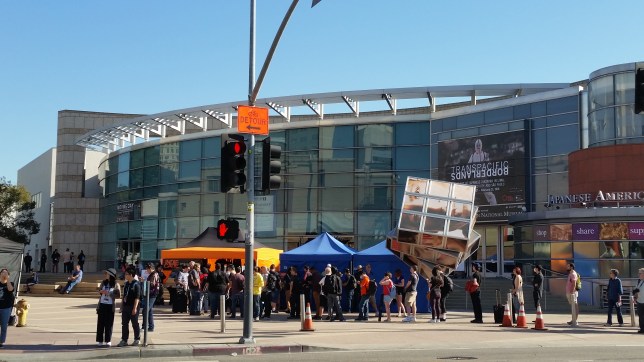
Friday morning was incredibly stressful, and that feeling lingered on for the rest of the day. When I went to pick up my badge in the morning, I was dismayed to find a long single-file line that lead to a tent where one person was slowly handing out wristbands. As we all burned in the unforgiving Los Angeles sun, I started to freak out. IndieCade scheduled a talk with me and Oculus that morning and it didn’t look like I’d make it in time. Fortunately, Anita swooped in at the last second and just brought me to my meeting.

Oculus’ outreach team wanted to meet developers at IndieCade, and not just the ones presenting. Even though I’m working on a mobile puzzle game, I was able to meet Chris Jurney of Oculus! I tried to meet him at GDC 2017, but he was in meetings all day. But this time, I was the meetings all day >:). We discussed Where Shadows Slumber, and my post-release plans. Although this game can’t really ever come to VR, I do find the virtual reality medium pretty intriguing. They’re going to hook me up with an Oculus headset, which is insane. I’ll take it!
20171006_132217.jpg

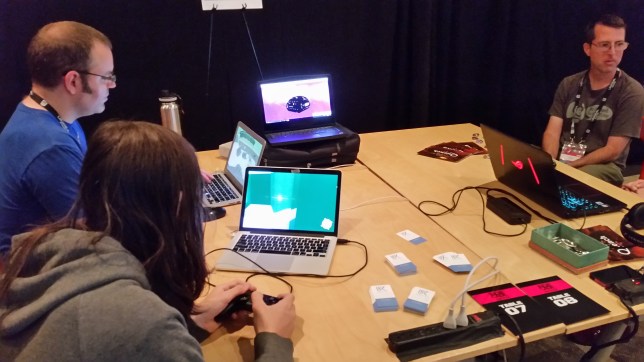
From there, I went over to Game Tasting. Although Where Shadows Slumber was not an official IndieCade selection, they were nice enough to invite me to show off the game between 12 pm to 2 pm during the Game Testing segment. This is like IndieCade Lite, a quick look at some games that didn’t make it. To be honest, I liked the games near me even more than the ones at the official showcase! But we’ll discuss that more later.
20171006_132456.jpg

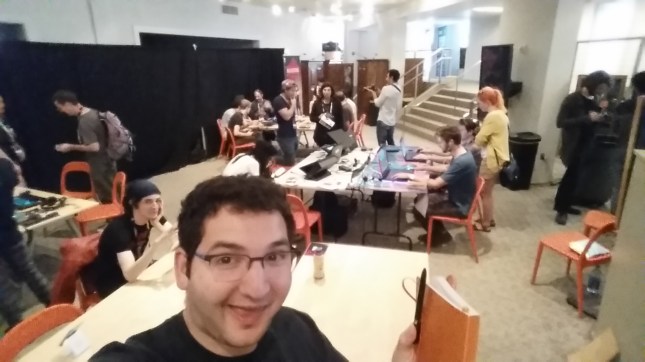
How can you say “get out, bum” to this face?

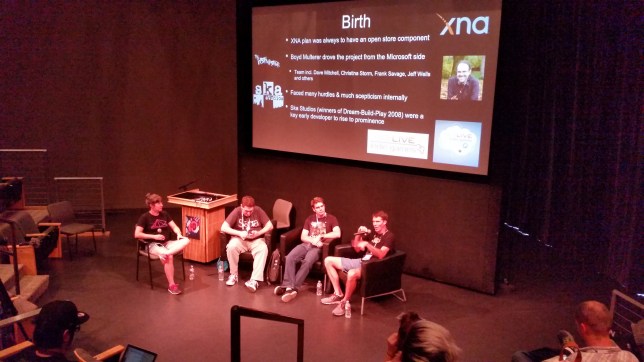
Due to some persistence (and my innocent baby face) I was able to get a second Game Tasting slot later that same day between 4 pm to 6 pm. In between, I saw a depressing talk about how Xbox Live Indie Games as a service is going to be shut down. That’s the first time I ever heard of that! It went offline the next day.
20171006_151442.jpg

After I fulfilled my obligations to IndieCade, I finally got a chance to grab dinner and explore around 7:30 pm. What I saw did not impress me. Although the Japanese American National Museum is a beautiful building, it makes for an awkward venue. Games seemed to be strewn about haphazardly, taking up space in crowded rooms while other larger halls remained inexplicably empty. Perhaps the most striking visual dissonance I witnessed was the IndieCade banner standing in front of a reproduction of a Japanese Internment shack. The banner screamed Enjoy some unique cool games! while the shack screamed Franklin D. Roosevelt violated the constitutional rights of over 100,000 American citizens and some people still say he’s their favorite president.

20171007_152253.jpg

Recreation of Japanese internment shack (left) and IndieCade’s banner (right)

It appears that this is their first year in this new venue, so I’ll cut them some slack on that end. They need to find their footing by next year’s IndieCade though, because this could really sink them. Many times, the exhibits on Japanese-American history were more interesting than the games being shown next to them. I don’t know why IndieCade has chosen to distract attendees from their games by putting them right next to compelling American history displays. Many times I found myself walking away from the dry non-games being exhibited to read more interesting plaques about Japanese immigrants coming to America. Perhaps the choice of a museum is to remind everyone that games are art and not just commercial products, but the venue put unnecessary strain on a show that’s already hanging by a thread.


20171007_131151.jpg

The Main Showcase

The main showcase of IndieCade had some of the strangest games I’ve ever seen. I believe that is the point of the show – to showcase the odd side of video game innovation. There were role-playing games that used only food and speech as a medium. Some games had unique controllers (like a giant inflatable sphere you played inside) that could never be mass produced and sold, which is why they can really only be displayed at IndieCade. A few games required large spaces to play in, or elaborate setups like a mock office area. As my friend said to me on Saturday, “IndieCade is good, because if they didn’t showcase these games, how would anyone else find out about them?”

20171007_131402.jpg

He’s right, of course. However, these games lose their power when stacked on top of each other like this. Although they may stand out at a conference like PAX East, at IndieCade everything blurs together into a politically left-leaning parade of grad-student quality propaganda. It’s hard to stand out when you’re put next to 29 similar games in a room titled LOOK AT ALL THESE THINGS THAT ALL STAND OUT!
20171006_201609.jpg

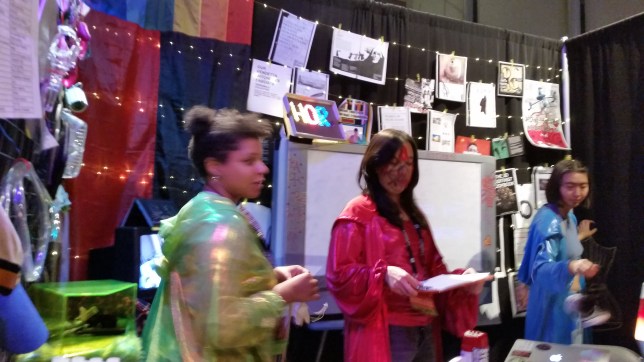
“The Hackers of Resistance (HORs) is a queer transfeminist hacker collective of artists, activists, researchers, cyborgs, witches, and technologists, of color.”

The strangest thing I “played” was an interactive experience called “Hackers of Resistance” that took place in a 10 x 10 area enclosed by pipe and drape. The designers of the experience decorated the room like a makeshift hacker den out of something like Mr. Robot. As we hacked our way to destroying the Trump administration, I couldn’t tell if I was taking part in a delusional liberal fantasy or brilliant conservative parody. (Seriously, read that caption again and tell me that doesn’t sound like something Kat Timpf would write)

Given the setting, I decided it must be the former, but the dreadful acting of the performers kept me guessing until the very end. Since this game is essentially an interactive installation that requires a physical space, you can see why IndieCade is just about the only place it could be setup. That’s fine by me! But I can’t help but think that IndieCade is doing its political messages a disservice by painting them as obscure. Think about it – they’re highlighting the strangest elements of the left-wing game industry and then purposely branding them as “weird” and “strange.” Don’t they want their political beliefs to be seen as mainstream instead? In its desire to seem weird, it makes them seem weird, too.

I’m quite used to blatant political messaging in the game industry these days, so that wasn’t even my biggest problem with IndieCade. What bugged me is that the show seemed dreary. The showcase was supposed to stay open until 10 pm, but by 8:30 many developers had abdicated their booths. I don’t blame them – many said they had been there since 4 pm. Giving people a long shift like that at the end of the day is bad planning on the part of the organizers. I would have liked to play more, but the venue depressed me. Around this time, a show like Unite would just be getting started with fun parties that last until 1 am. IndieCade was like an old man who was up past his bedtime at 9 pm, and went up to bed before his guests went to sleep.


Favorites.png

It’s Not All Bad

Before you think that I’m just a mean-spirited wet blanket who flies across the country to have a miserable time on purpose, let’s talk about my favorite three games from the showcase!
20171007_131245.jpg

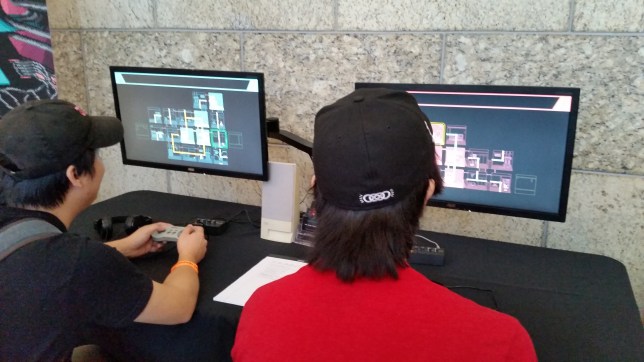
Bit Rat is a cool futuristic puzzle game for PC where you play as a rogue A.I. construct trying to escape your company. I didn’t get a chance to play it because the tables were always packed, but you should check it out! The pixel aesthetic really works for the type of game this is, and the puzzles seemed quite difficult.

20171007_132946.jpg

Keyboard Sports: Saving Qwerty is an absolutely hilarious PC game where you use the keyboard to control your character’s position. That may not sound special, but I mean that quite literally: you don’t use keyboard keys to issue commands like “go right” or “go left.” Instead, the keys on your keyboard are mapped to physical locations within the game! See the tutorial level above, for example, where the spacious couch (hehe) is mapped to the space bar. There’s always an overlay on the screen so you can kind of gauge what to do, but it’s constantly changing which adds to the humor.

20171007_133208.jpg

Detention is a point-and-click horror puzzle adventure game set during a dark period in Taiwan’s history. I could have used less jump scares, but the overall experience is really tight. The actual mechanic this game uses for its monsters is one of the creepiest I’ve ever seen, but it’s apparently pretty common in China. You hold your breath to avoid being captured by ghosts! I don’t want to give too much away, but it’s very scary and I wish more games would do stuff like this. Incorporating folk tales into games is a great source of inspiration.

These three games showcase what IndieCade should be about, in my opinion. Alternative control schemes like the one found in Keyboard Sports are innovative, but still accessible to a wide audience. Cultural inspiration, as seen in Detention, doesn’t have to be overly preachy. Games can be weird and still be very well-made and polished, like Bit Rat. Too often, games at IndieCade use their “strange” identity as a shield to protect against the criticism that all game developers have to deal with. There’s no excuse for bad artwork, buggy code, or toothless gameplay – the label “indie” does not mean “I get away with delivering a lower quality product.” Anyway, instead of castigating more of IndieCade’s worst offenders, I’d rather show off the ones I enjoyed playing. Best of luck to these three games!
 

20171008_135822.jpg

By Sunday, The Nominee Gallery Vanished

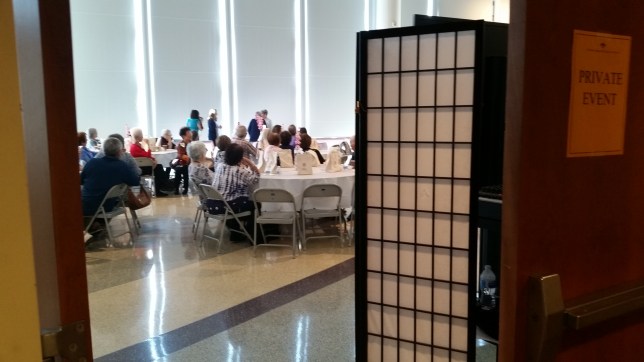
By the final day of IndieCade, the Nominee Gallery was closed because an unrelated event was taking place in their room. (It seemed to be a Japanese-American dinner honoring some of the elderly in the community, but I didn’t pry too much.) Standing outside the venue, I heard quite a few people complaining.

“I was going to see the Nominees on Sunday, but they’re gone!”

The only thing more disappointing than not enjoying the official showcase is being robbed of an entire day to experience the official showcase. It’s just another bad choice by the staff – why wouldn’t you make sure your main showcase runs all three days? They were forced to do this because of the previous bad decision to host the event in a busy museum. Fortunately, I saw all I needed to see of the Nominee Gallery. But put yourself in the shoes of someone who bought a Sunday pass!


20171007_125521.jpg

The Talks Depended on the Room

I stand by the statement above: your experience going to the panels and talks at IndieCade will vary wildly depending on which ones you attended. The deciding factor seemed to be the room you chose.

I quite enjoyed the puzzle talk by Linelight creator Brett Taylor and Semblance creator Ben Myres. There was a talk about how to make “AAA Indie Games” by husband-and-wife team Tristan and Aby Moore. “50 Ways to Fail in VR” was a ton of fun, a great talk by Mike Murdock about hard lessons learned making virtual reality games. What did these games have in common? They took place in small classrooms with a simple projector screen and whiteboard. They also filled up quite fast!

20171007_100337.jpg

Brett and Ben tell us a bit about their games before their fireside chat about puzzle design.

The talks that served only to waste my time took place on the main stage; a large theater-styled presentation area with a massive projector, a tech booth, and tons of audio equipment. The IndieCade staff seemed woefully inadequate at operating this room. One talk started fifteen minutes late due to technical difficulties. At one point, ten minutes deep into technical drama, an exasperated technician scolded at the audience:

“Does anyone have an HDMI to VGA cable?! That’s what’s holding us up here!”

…as if I flew across the country and booked a hotel in an expensive area of Los Angeles just to personally hand-deliver you a cable you had months to purchase. Seriously, dude?


It Gets Worse Before It Gets Worse

But by far, the worst talk at IndieCade was the final one with Keita Takahashi, of Katamari Damacy fame. This was supposed to close out IndieCade with an intimate chat between the audience and a veteran game developer. Instead, it served to expose more flaws in the organizational structure of IndieCade. Find it online if you want to waste 50 minutes of your life.

I don’t have anything against Mr. Takahashi. He seems like a cool guy, and he has a wonderfully child-like sense of humor. But they evidently didn’t give him an agenda for this talk, because he began by trying to find his childhood home in Google Earth. As he struggled to do this, I realized both he and Brandon Boyer were trying to run the talk via their mobile phones for some inexplicable reason. This would become a recurring feature of the talk – waiting for the screen to slowly load whatever was on their phone.

The decision not to give Mr. Takahashi a translator was also mind-boggling. I felt bad for him – English is not his native language, and he is not fluent by any means. With no talking points or written speech, he spent half the talk fumbling around in Google Maps until that got old and they transitioned to Question and Answer time. It’s a shame they didn’t focus more on the few interesting bits of the talk, like his inspiration from Japanese sculptor Taro Okamoto. Without a solid plan, I can’t blame them for bombing on stage. When it comes to stuff like this, I usually blame whoever is at the top making the decisions that cause people to fail.
 

20171008_183409.jpg

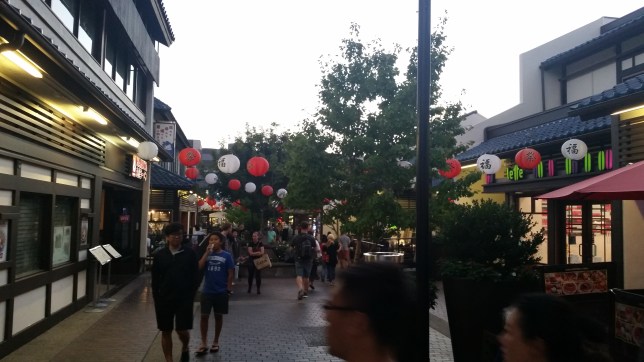
Next time, Visit charming Little Tokyo, but skip IndieCade.

The Final Verdict

I’m not going to submit my games to IndieCade anymore, and I can’t see myself returning to the show any time soon. If you’re still interested in it, follow my guidelines below and I can help you avoid disappointment.

Should I attend IndieCade? If you live within walking or brief driving distance, there’s no reason not to go. Don’t spend money on a hotel or air travel, though. This show doesn’t deserve national or international attention in its current state. As a local show, it would be pretty awesome though.

What kind of pass should I get? I can’t see any reason why you would need more than a single day pass, probably Saturday. That had the biggest crowd. The games were all there. Besides, your wristband could probably get you in on Sunday too. They were all the same color.

Should I submit my game to IndieCade? Unless your game is as weird as some of the other stuff they highlight, don’t bother. There are two caveats: If your game is brazenly political and decidedly left-of-center, you’re good. Also, if you can modify your game to be super weird just for this show, go for it.

Will I fit in at IndieCade? Probably not. For a show that brags about its inclusive nature, it operates more like an exclusive club. IndieCade isn’t for everybody, whether its organizers want to admit it or not.


IndieCade Isn’t Fun

Before I went to IndieCade, I didn’t think all games had to be “fun.” I assumed that was a corporate label slapped on the industry that only applied to mass market games. “Games don’t need to be fun! It’s enough if they’re just engaging, interesting, or weird” I thought to myself. Oh, Frank-of-Last-Week… you were a fool!

20171008_152201.jpg

After playing scores of dull games at IndieCade, I’ve flipped my stance. I think fun is more important than ever, especially when you’re trying to make a game that deals with hard problems. I saw a lot of games that promised to tackle heavy issues (“this is a game about dealing with mental illness,” etc) but the only things the player could do were (a) walk around a 3D environment and (b) look around a 3D environment. That’s not innovative, and it doesn’t keep its promise either. The Spaces exhibit at IndieCade featured at least three of these. We wouldn’t stand for that if a AAA studio did that. Why do we accept this from indies?

What I think they’re missing is that fun is an important numbing device that helps people through painful topics. Without it, your work will just end up stressing people out and repelling them.

That stressful anxiety I felt since Friday morning was still with me by the show’s end. I felt it as I left the museum and passed by the ghostly faces of Japanese-American prisoners one last time. Death seems to haunt IndieCade, and I wonder if the show will be over for good sometime in the next few years. You’re either growing or dying, and IndieCade did not project strength during their 10th year in operation.


= = = = = = = = = = = = = = = = = = = = = = = = = = = = = = = = = = = =

Frank DiCola is the founder of Game Revenant and the artist for Where Shadows Slumber. The views expressed in this blog post are his own and do not reflect the opinions of anyone else on the Where Shadows Slumber team.

An Indie Developer’s First Trip to Unite

I’ve been an avid Unity user for nearly 5 years at this point. Without this creative tool, I would not be making games. It’s as simple as that. I owe a lot to this engine; it’s making my dreams come true. It’s even changed the landscape of the commercial game engine market. (Remember when the Unreal Engine 4 had a monthly subscription?)

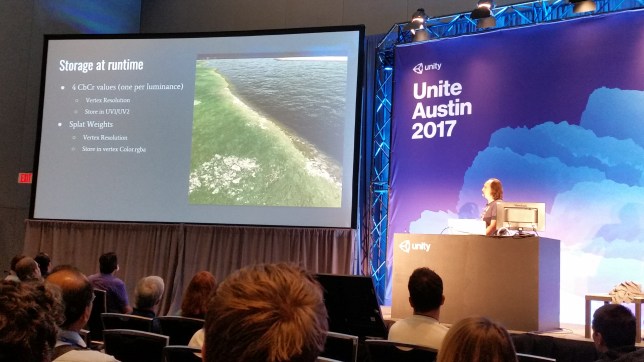
Despite my love for Unity, somehow I never had the chance to attend Unite, their flagship conference. At Unite, they gather developers, influencers, sponsors, speakers, and Unity employees under one roof for two days of workshops. I finally decided to go when I saw they were holding one in Austin, Texas. Just a short plane ride away, compared to some of the other places they hold this show. Just in the next few weeks, they have three events across the globe: Unite Melbourne, Unite Singapore, and Unite India!

Have you ever been to Unite? No? Then this is the blog for you. It’s a straightforward account of my travels this past week to Unite Austin 2017. If you’re deciding whether or not to go, I hope this honest blog helps you make a decision.


Keynote.PNG

Day 1: “Keynote? Never Heard Of Him.”

Time to confess… there is one problem with this blog: I completely missed Day 1 of Unite, so I can’t tell you what it was like!

I meant to be there, but my flight got rerouted in mid-air to Dallas because of weather in Austin. We stayed at that airport for 2 hours before taking off again. I was supposed to have gotten in around 4:30, which would have been just enough time to check into my hotel and walk across the street to the Austin Convention Center. Instead, we landed at 8:00 pm… right when things were wrapping up and badge pickups had already closed. Damn!

Perhaps you can consider this a cautionary tale. If your travel plan relies on everything going perfectly, you’re not planning – you’re dreaming.

You can check the schedule to see what happened, because your guess is as good as mine. There was a keynote talk, and I’m sorry I missed it! They put it online here.


20171004_080029

Day 2: Party Time!

Day 2 was my first real day at Unite. This was my chance to familiarize myself with the main showcase, the talks, and the crowd. My first impressions:

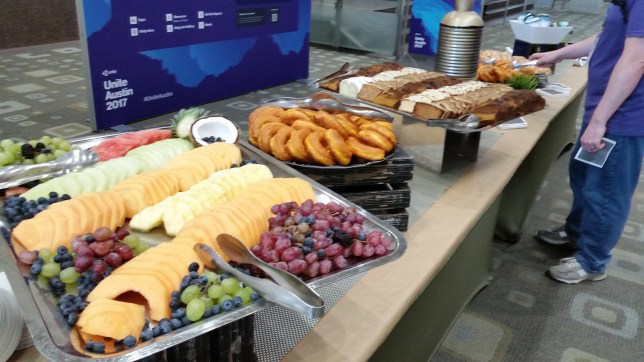
  • Unity gives out free food at breakfast and lunch and it’s really good
  • There weren’t as many people as I was expecting. Or perhaps Unity chose a convention space that was a bit too large for this show?
  • The main showcase seemed underwhelming…

The negative first impressions didn’t really last though. As I went about exploring I found there was plenty to do and tons of people to meet. In fact, Unity scheduled some meetings with me prior to the show, which surprised me! Their Analytics team wanted to meet face-to-face to ask me user questions. I really appreciated that, even if I didn’t personally gain from it. The fact that they want feedback that badly shows me they care about constantly improving the engine, which is a good sign.

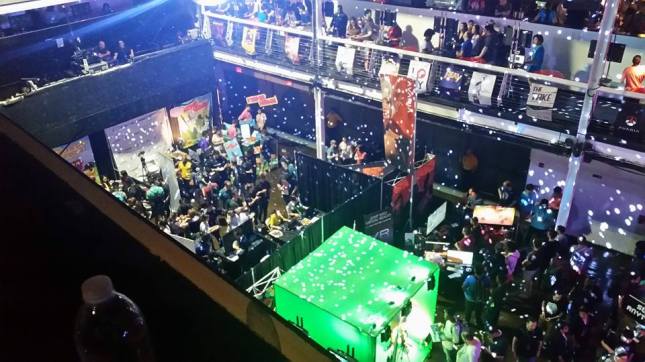
The schedule for the talks is online (you can find them here), but if you were wondering what was in the main showcase, I saw the following:

20171005_114133

(a) This live talk show segment being filmed that you could watch

20171005_113554

(b) A live demo area that was for mini-classes

20171005_113645.jpg

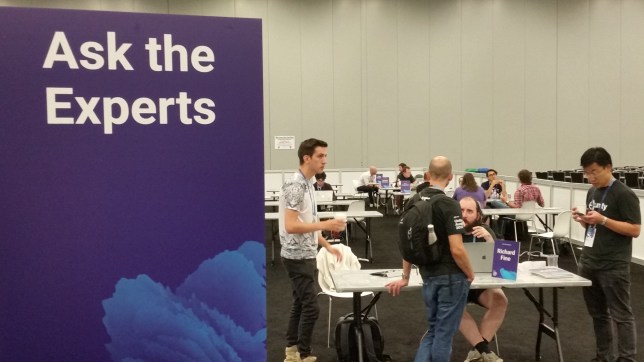
(c) An Ask The Experts section where you could sit down with Unity employees

20171005_113654.jpg

(d) Unity demos with members of the company nearby to explain the tech

20171005_113758.jpg

(e) The usual showcase of professional, released games Made With Unity

20171005_113810.jpg

(f) A separate showcase for VR titles Made With Unity

20171004_113448.jpg

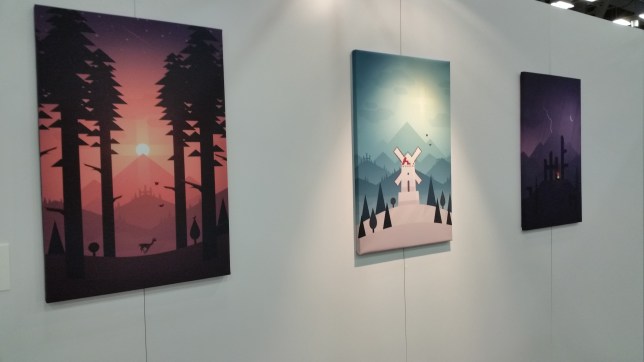
(g) A gallery of printed images, which I was not expecting!

20171005_113731

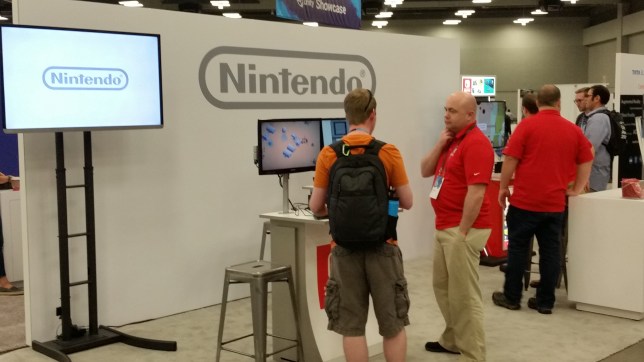
(h) Booths for sponsors and partner companies, like Nintendo

I didn’t realize this, but Day 2 is also party night apparently! Unity knows how to throw an awesome party. I went to three! First, there was an Amazon App Store party. I believe they invited us because the Where Shadows Slumber demo is on their store. After speaking with one of their developer outreach leads, they even gave me an Amazon testing device!

20171004_201055

What an unexpected surprise!

Then I went to the Unity Analytics party, which was a happy hour before the real deal – the Unite party. It was insane, man. They rented out an entire venue called Fair Market and had the whole thing catered! There were taco stations, chili bowls, dessert food trucks, an open bar… I went a little wild. I didn’t leave until 10:30. :0

20171004_220442

It might seem weird to keep mentioning the parties and the food, but it gets to the core of what Unite is. Don’t go into this expecting some kind of staid business trip. You can totally get a lot done – just networking with Unity employees was worth the money. But I think the real way to enjoy Unite is to treat it like a big gathering of indie devs who just want to talk, hangout, and get to know each other. I wish I knew that going in.

Recognize that the price of admission also covers events that are meant to promote bonding and companionship. Take the name literally! It’s not just wordplay – this is really about remote developers coming together and uniting!


20171005_083955.jpg

Unity takes their food seriously.

Day 3

By Day 3, I found my footing. I went to a steady stream of talks, with time in between to attend some of the mini-lessons given by Unity. Their employees are so friendly! I missed an entire talk about the Unity Profiler, so I went up to the presenter and asked for help. Not only did he help me, we went to the Ask The Experts section and spent a full half-hour going over Where Shadows Slumber and how to optimize mobile games. It was incredible!

The talks I went to definitely varied in quality. There were some I was looking forward to that really disappointed me (the “Lessons Learned from PSVR” one was not as fun as the description indicated), and others that didn’t seem relevant at first, but totally inspired me. By far, the best one was a talk about this Walking Dead mobile game by Jason Booth of Disruptor Beam.

20171005_101442.jpg

Go find this online when he posts it. There’s so much information coming at your face, your face is going to leave your body to find a new one. And that that body will EXPLOOOOODE WITH KNOWLEDGE! He wasn’t shy about the parts of Unity that he didn’t like. That just made me trust him more! Essentially the talk was all about how they got this ridiculous massive world to show up even on lower-end mobile devices. His command of graphics and optimization was impressive.


20171004_113454.jpg

Hoping to Return

I’m writing this from a hotel room in Los Angeles. (I went straight to IndieCade after Unite) Now that I’ve attended my first Unite, I’ve got just one piece of advice for anyone attending: fill your schedule. When I planned this trip, I allowed for gaps in my schedule to explore the main expo hall. I was expecting something along the lines of GDC – a massive expo hall you could never possibly see all of. Instead, I found it to be a bit lacking. I was able to make the rounds in an hour or two. So, avoid gaps in your schedule and fill your time with meetings or talks! You’ll find that more helpful than wandering around aimlessly.

I hope to return to Unite America next year! (I’m calling it “Unite America” because I don’t know if they’ll be in Austin again.) However, my one condition is that I’d like to return to give talks about Where Shadows Slumber and maybe have a booth in the Made With Unity showcase.

Which reminds me of another talk I saw, all about Unity Connect… time to jump on that!


= = = = = = = = = = = = = = = = = = = = = = = = = = = = = = = = = = = =

You can find out more about our game at WhereShadowsSlumber.com, ask us on Twitter (@GameRevenant), Facebookitch.io, or Twitch, and feel free to email us directly at contact@GameRevenant.com.

Frank DiCola is the founder of Game Revenant and the artist for Where Shadows Slumber.

Introducing Our Audio Team!

We’ve been waiting a few weeks to announce this, but now it’s official: Where Shadows Slumber will have professional audio designed by Alba S. Torremocha and Noah Kellman. Please extend them a warm welcome to the team!

It would be a shame if I spent this entire announcement post blathering on instead of handing the spotlight over to them, so instead I’ll let them write their own introductions. Take it away, you two!


Hey all!

“Here we are! Finally! The last pieces of the Dream Team, reaaaaady to rock! And roll. Mostly roll, since we’re recording A LOT.

Everybody knows that sound guys are always the coolest, but let us introduce ourselves
real quick so there’s no doubt left about it.

Alba S. Torremocha (Music & Sound Design).png

Alba was expelled from Hogwarts for using her wand as a baton.

Alba S. Torremocha (Music & Sound Design) Alba comes from a highly-refined background in classical composition and orchestration. She walks around with an eyebrow raised because well, that’s what snobby classical musicians do. She studied violin for 10 years and then Classical Composition and Conducting in Europe for 4 years, with a strong focus on French orchestration techniques (hence the raised eyebrow). In the US, she won the residency of the NYU Symphony in 2016, and recently received the Elmer Bernstein Award. Her pieces have been premiered and awarded around the world, and she always makes sure everyone is aware of this at all times. Her alter ego appears under the full moon and is a kick-ass film and video game music composer. She recently collaborated with the renowned video game composer Tom Salta (Prince of Persia, Halo, Killer Instinct…) on one of his latest projects. More: www.albastorremocha.com


Noah Kellman (Sound Design & Music).png

Noah spits fairy dust when he’s excited. No one knows exactly why.

Noah Kellman (Sound Design & Music) Noah comes from an intensive jazz piano background. He toured the country at the Brubeck Institute while working with many jazz greats along the way. He spent year after year striving to be the best until someone finally said to him, “Your music sounds terrible and I don’t understand any of it, so it must be the best jazz I’ve ever heard!” At that point, Noah knew he was a true jazz master and he decided to pursue becoming a master of other things, including filling his medicine pouch in Horizon Zero Dawn and driving with cruise control set to 11 mph collecting rare Pokémon in NYC. But, in his glorious return to professional sound creation, Noah began creating electronic cinematic soundscapes using acoustic instruments to create strangely familiar yet unrecognizable timbres. Although he works intensively as a composer and sound designer throughout the film and game world, his pride, joy, and utter financial downfall is his independent Cinematic Post-Rock project “Nozart”, which has also garnered him attention as a songwriter, producer and performer in the Indie world. More: www.noahkellman.com


We often work as a team because, as you can see, we come from very different backgrounds and, when we combine them, really cool stuff happens. Also, it’s more fun to have someone else to blame and panic with when the deadline hits your face. We first heard about Where Shadows Slumber at Play NYC. We played it and were instantly amazed, but we quickly noticed there was no music or sound design.

When we asked them about it, they said: *slo-mo, camera closeup on their lips*

‘We’re looking for a Sound Team.’

(Actual footage of the moment)

Then, a choir of angels appeared and bonded us to this sacred quest. Next thing we know, we’re recording lantern sounds in our living room.

We knew right away that Where Shadows Slumber called for an exceptionally unique sonic landscape. After discussing this in great detail with Frank and Jack, we understood that Obe’s story takes place in a world that bears some nostalgic resemblance to ours, but is actually full of creatures, inhabitants and landscapes of mysterious origin. We wanted our sounds to be surprising, alien, and yet somehow recognizable. We tried to accomplice that goal by using unconventional methods to reflect familiar creatures and landscapes. For example, in the following video of World 0, we used a combination of synthesis and acoustic flutes to create the birds throughout the atmosphere. The two types of birds function differently within the game, bringing the soundscape to life.

We also wanted to break the barrier between music and sound design. Instead of an
inanimate loop that plays over and over, we created a soundscape in which both music
and sound design breath together, affecting and changing with each other as the player makes decisions in the game. For example, different layers of music are activated (or deactivated) with the player’s progress (or backtracking) in solving the puzzle throughout the level.

Overall, Where Shadow Slumber is an exciting challenge, and we love nothing more
than helping transport the player into a completely new, beautiful and immersive world.”

-Alba & Noah


Look Forward To More Audio Updates

Jack and I are thrilled that we’re able to bring Alba and Noah aboard! Our game has been a silent vacuum for quite some time, and it gets a bit soul-crushing. Hearing the birds chirping in the Forest for the first time suddenly made the game feel alive in a way that it hasn’t since the Demo days. It really is incredible how one missing crucial piece, like the sense of sound, can cripple the experience.

Well, no longer! Look forward to more audio updates as time goes on. We’re all working on different sections of the game right now; Alba and Noah are making their way chronologically though the Worlds starting from the Forest, as Jack finishes up the game’s ending Levels and I’m somewhere in the middle doing artwork. In time, we’ll converge and show our fan(s) the combined effort of everyone’s talents working together. Until then, you’ll have to be patient!


EDIT (Sept. 26, 3:00 p.m.): A previous version of this article mistakenly contained the wrong video file showcasing the game’s audio. The video has been updated.

= = = = = = = = = = = = = = = = = = = = = = = = = = = = = = = = = = = =

More audio updates are coming in the next few months. Until then, you can find out more about our game at WhereShadowsSlumber.com, ask us on Twitter (@GameRevenant), Facebookitch.io, or Twitch, and feel free to email us directly at contact@GameRevenant.com.

In The News – Beginning Publicity

If you’ve been a regular reader of this Tuesday blog post, you’ve probably noticed a shift in our marketing strategy in the past few weeks. This space used to be reserved for an inside look at what it’s like to be an indie developer working on this game – of late, we’ve been using it more for shorter updates about the game itself.

The game is speeding along like a runaway train, and although we have tons of work to do, it’s important to begin a crucial step in the development process: publicity! There’s no point in working hard to release a game that no one knows about. Expect to see Jack and yours truly on more podcasts, gaming websites, and YouTube shows going forward.

It’s not just that we love to hear ourselves talk. (Okay, a little bit) Publicity is an important part of creating a game. Don’t call us sellouts just yet! In the spirit of total honesty, here’s some articles that have been written about us in the past few weeks, mostly surrounding the hubbub about Play NYC.


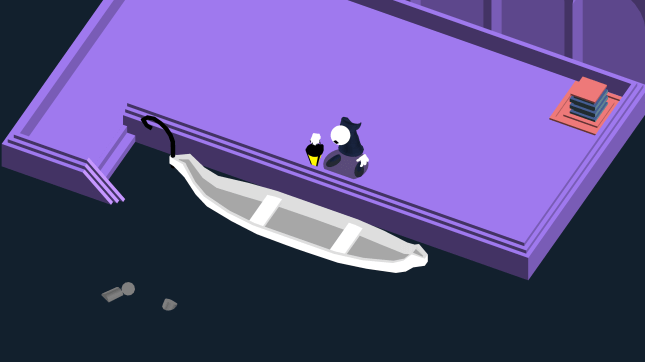
boat

Nerdier Tides

Thanks to Cecile Pauling of Nerdier Tides for writing this quick recap of Where Shadows Slumber! Cecile played our demo (multiple times, [0_0 ]) and the development build we showed off at Play NYC. I especially enjoyed this bit:

“Walking home at night, you’re always worried about the shadows that lurk near you. You never know what it is, but what if it’s the path you’ve been looking for all along?”

Full article here: https://nerdiertides.com/2017/08/25/whereshadowsslumber/


Green

TechRaptor

Robert Adams of TechRaptor attended the show and we reached out to him beforehand. We actually did a long-form interview with him that’s coming out pretty soon. To tide you over, check out his full recap of Play NYC, below!

Full article here: https://techraptor.net/content/play-nyc-2017-recap


Contact Us For An Interview!

Okay, now for the REAL reason for this blog post. Do you have a podcast? A gaming website? A YouTube channel about gaming? Perhaps you have a blog where you talk about games, iOS apps or Android stuff? We’d love to be on your website. We really do need all the help we can get to advertise the game. In return, we’ll give you juicy details about what it’s like to develop an indie game. We may even reveal the secret of Grongus? If you ask nicely…

The best way to contact me is contact@GameRevenant.com, and we can set up a Skype interview, phone call, or long distance shouting interview. (Sound carries across water, so this works better than expected.)


Expect more short form updates like this in the future. As we ramp up development and publicity, we’re trying to focus more on working on the game itself rather than long blog posts. If we missed something important that you wanted us to address, just find us online and ask! Details below.

See you next week!


= = = = = = = = = = = = = = = = = = = = = = = = = = = = = = = = = = = =

Looking to write an article about Where Shadows Slumber? You can contact us directly at WhereShadowsSlumber.com, talk to us on Twitter (@GameRevenant), Facebookitch.io, or Twitch, and feel free to email us directly at contact@GameRevenant.com.

Frank DiCola is the founder of Game Revenant and the artist for Where Shadows Slumber.